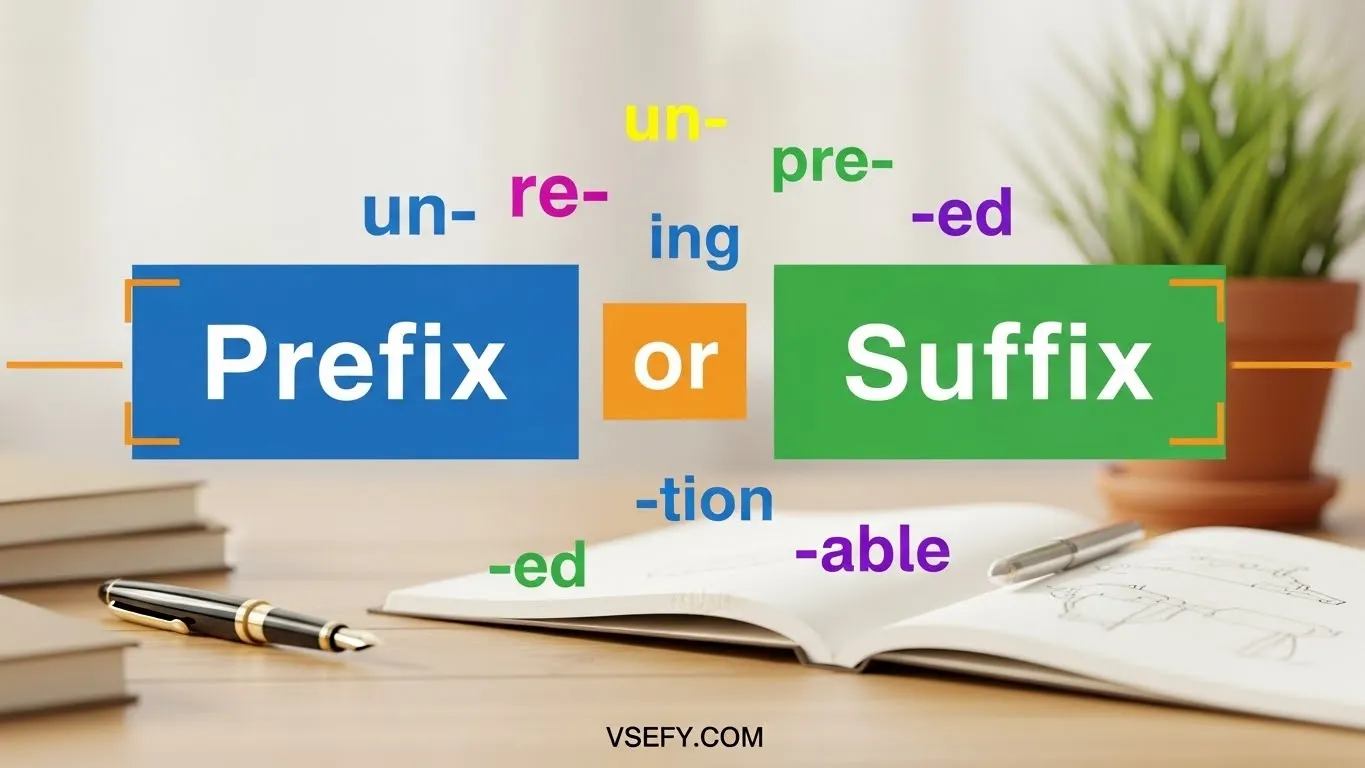
Abbreviation or Full Form? Which Should You Use?

Abbreviation or Full Form

Many English learners, students, and professionals confuse abbreviations and full forms because both are common in writing and communication. Using the wrong one can cause misunderstandings in emails, reports, exams, and academic papers, which is why people often search for abbreviation or full form. An abbreviation is a shortened version of a word or phrase, … Read more

Adjective or Adverb? What’s the Difference? (2026 Guide)

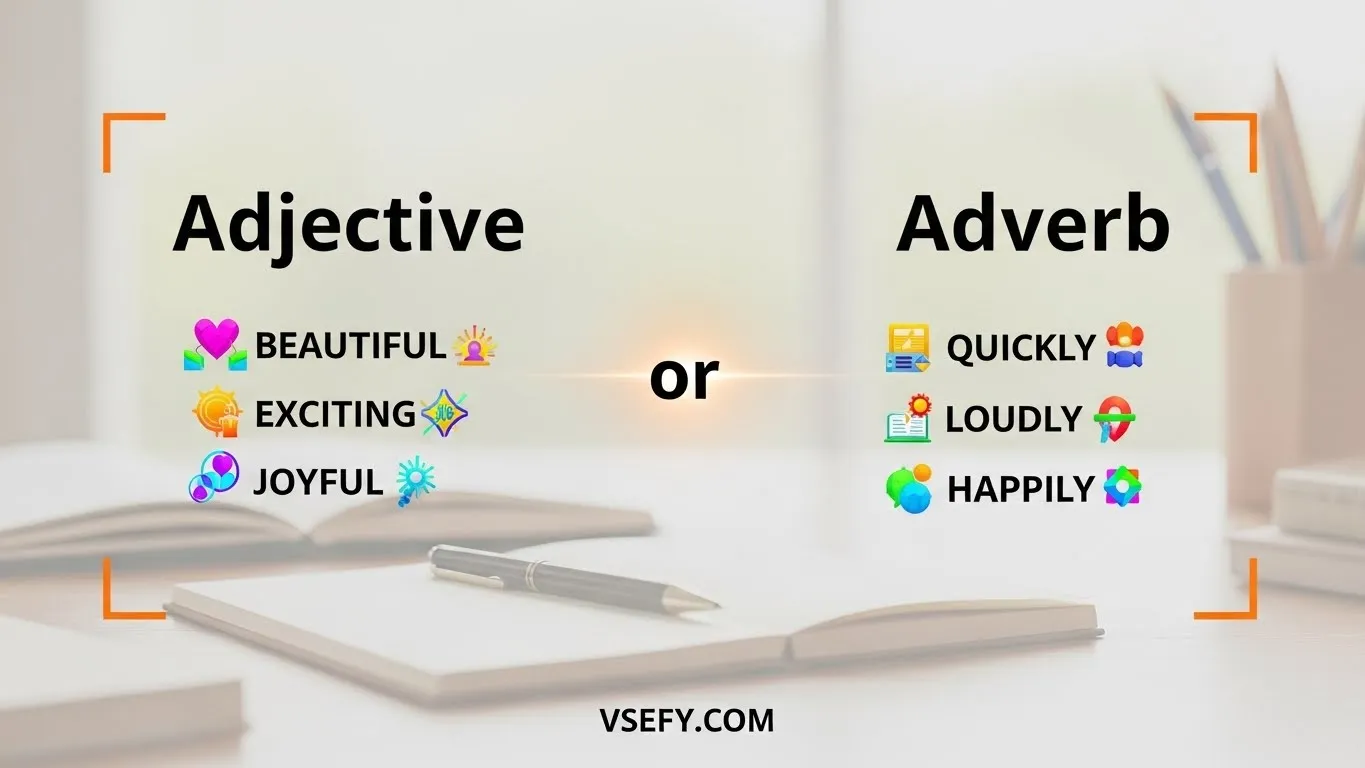
Adjective or Adverb

Many English learners struggle to understand the difference between an adjective and an adverb because they seem similar but serve different purposes. Using the wrong one can make sentences unclear or grammatically incorrect, which is why people often search for adjective or adverb. An adjective describes a noun or pronoun, while an adverb describes a … Read more

Hastle or Hassle? Stop Making This Common Spelling Mistake

Hastle or Hassle

English learners and writers often get confused between hastle or hassle. Sentences like It’s too much hastle to fix this show why. The correct spelling is always hassle, meaning something inconvenient, troublesome, or annoying. Hastle is a common misspelling and should be avoided. This guide explains the correct usage of hassle, its origin, British and … Read more

Responce or Response? Modern Tips for Perfect English in 2026

Responce or Response

Many people get confused between responce or response. Sentences like I’m waiting for your responce show why. The correct spelling is response, meaning an answer or reaction to a question, message, or situation. Responce is a frequent misspelling and should be avoided. This guide explains the correct usage of response, its origin, British and American … Read more

By or Bye? Which One Is Correct?

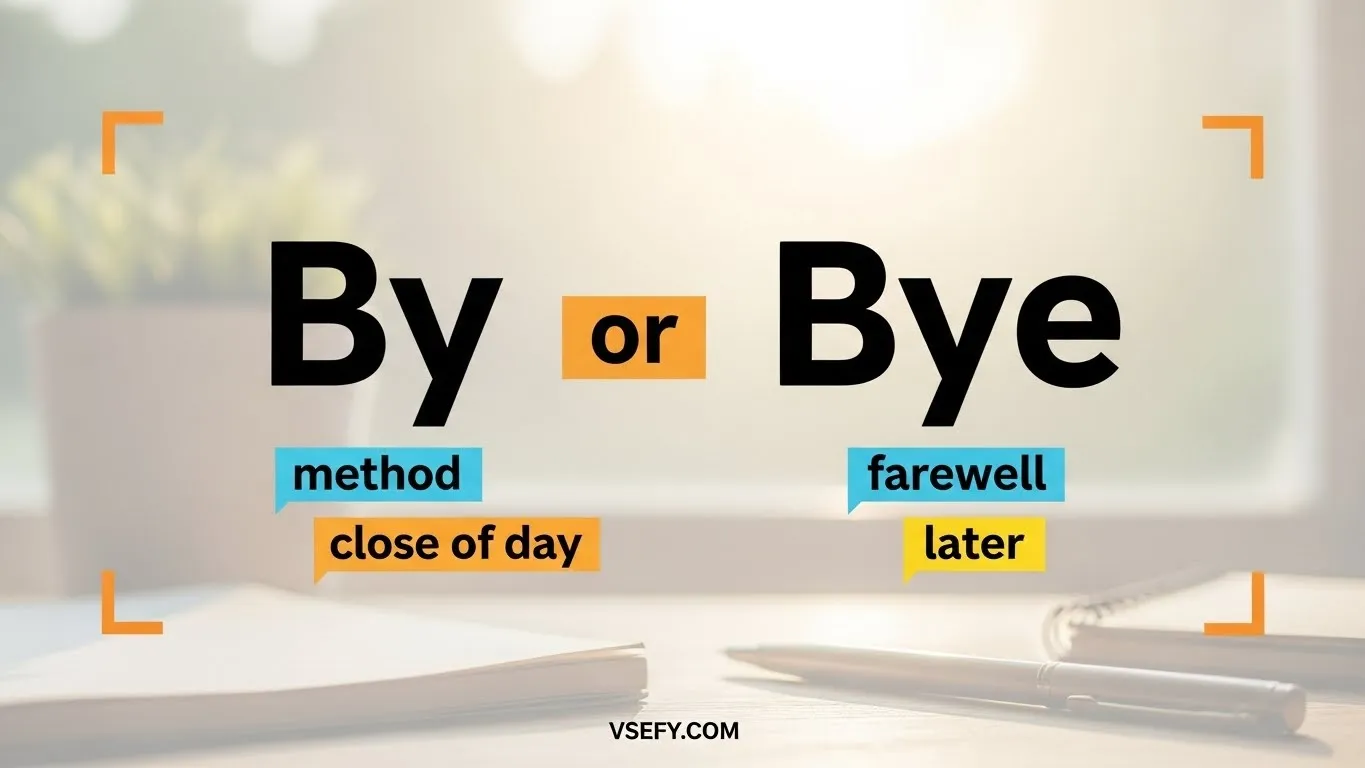
By or Bye

English learners and even native speakers often get confused about by or bye. These two words sound the same but have very different meanings, which is why many people search for this keyword. Using the wrong one can change the meaning of a sentence or make writing appear unprofessional. We commonly use by as a … Read more