Realise or Realises: The Complete Guide to Correct Usage

Realise or Realises

English learners and writers often get confused between realise or realises. You may have written a sentence like She realises the importance of teamwork and wondered if it was correct. The confusion arises because the verb changes depending on tense, subject, and regional spelling conventions. People search for realise or realises to clarify proper spelling, … Read more

Abbreviation or Full Form – What’s the Difference? (Easy Guide)

Abbreviation or Full Form

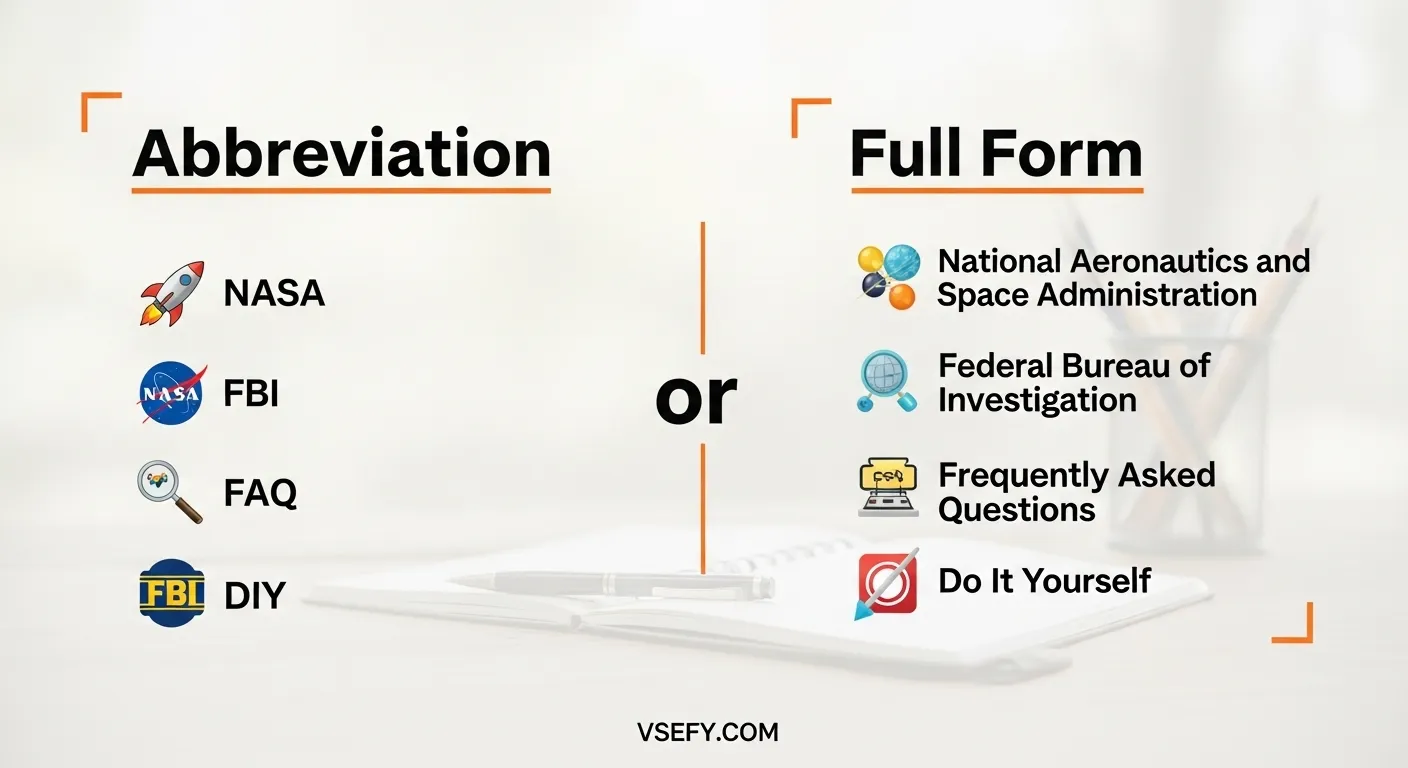
Many English learners, students, and professionals often get confused between abbreviation and full form. While closely related, they serve different purposes in writing and communication. Using them incorrectly can cause misunderstandings in emails, reports, exams, and academic work, which is why people frequently search for abbreviation or full form. An abbreviation is a shortened form … Read more

Eg or Ex? Which One Is Correct?

Eg or Ex

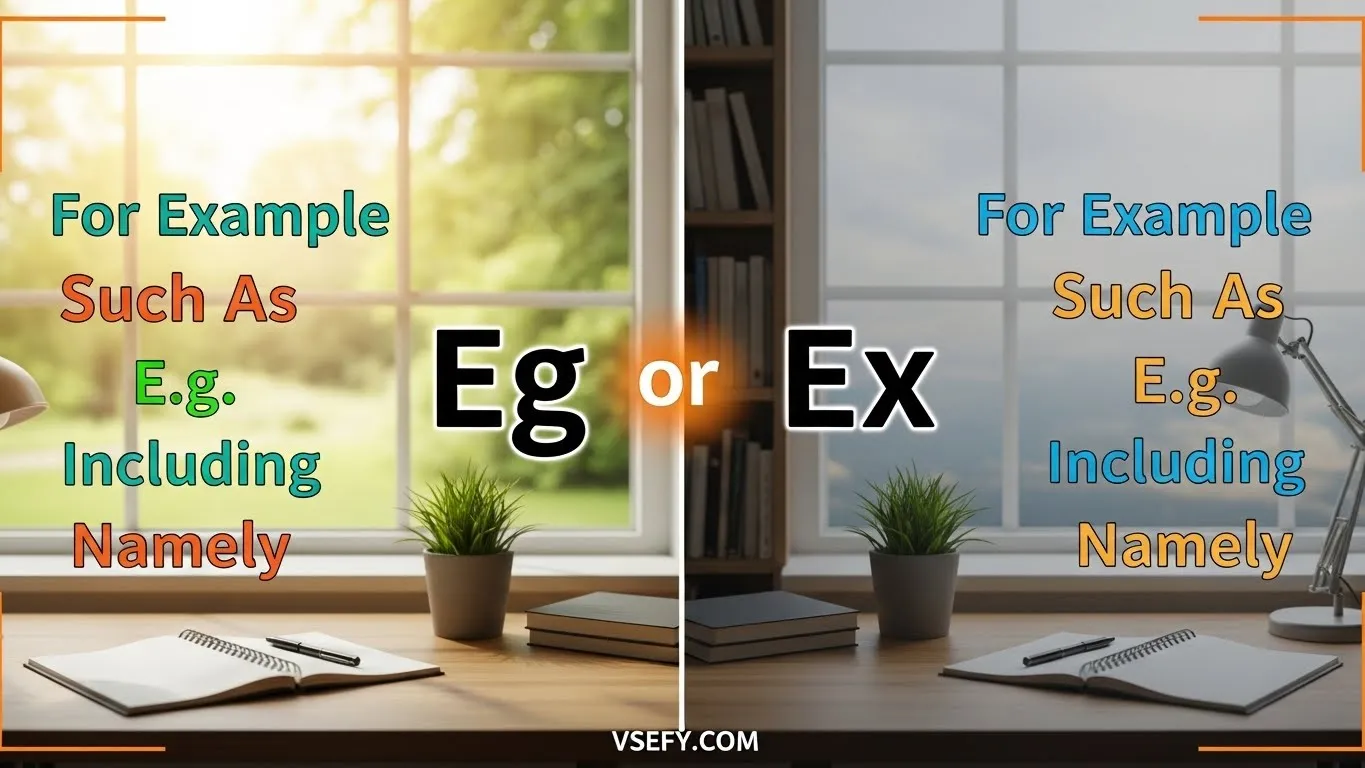
Many English learners and writers get confused between e.g. and ex because they look similar but have very different meanings. Using the wrong one can cause confusion in emails, academic writing, or professional communication, which is why people often search for eg or ex. E.g. comes from the Latin exempli gratia, meaning for example, and … Read more

Across or Accross? Which Spelling Is Correct in 2026

Across or Accross

Many people search for across or accross because they are unsure which spelling is correct. Both forms appear online, especially in informal writing, which creates confusion for students, ESL learners, and professional writers. The answer is simple: across is correct, and accross is a spelling mistake. The error happens because English often uses double consonants, … Read more